Anyox
55°25'21.4"N 129°48'45.1"W
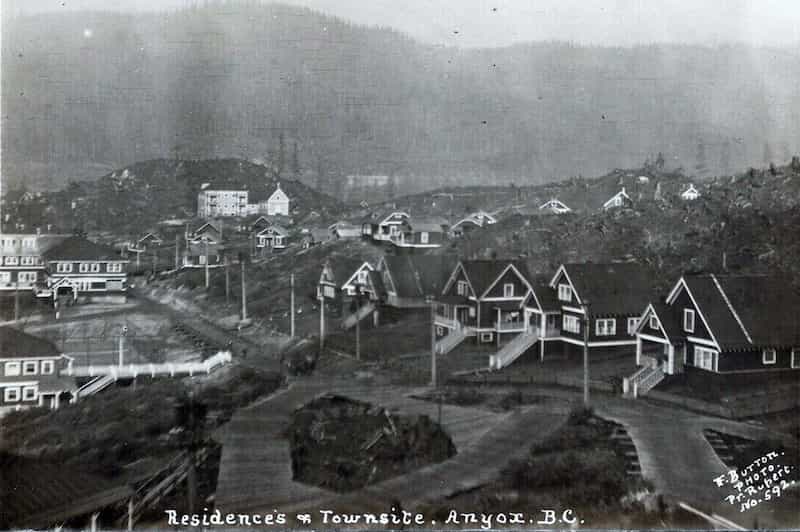
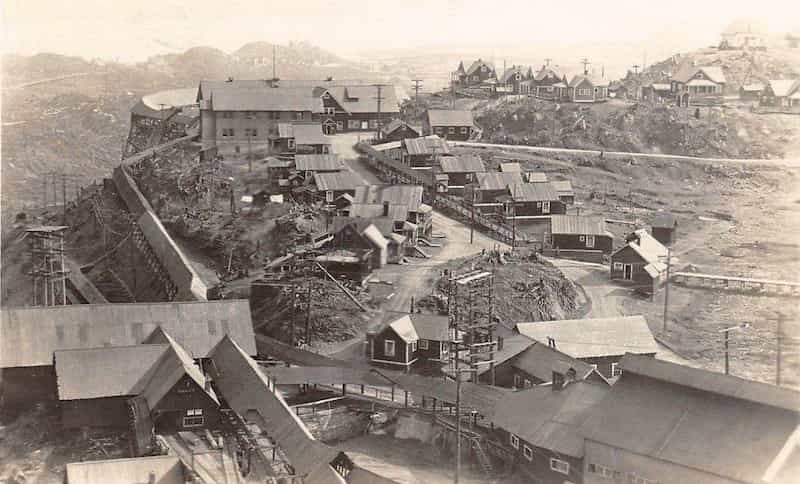
One hundred and forty-five kilometres north of Prince George, on the shores of Observation Inlet, lies the uninhabited site of Anyox. This settlement was constructed in 1912 by Granby Consolidated Mining, Smelting and Power Company, which began lucrative mining operations of copper and other precious metals. Mine workers and their families created a self-sufficient, booming community with theatre, hotel, golf course, tennis courts, and many modern amenities like a hydro-electric dam to provide power to all residents. At its peak, the town’s population reached approximately 3000. Due to the Great Depression, the entire operation was shut down in 1936.
Campbell River
50°01'38.4"N 125°14'43.9"W
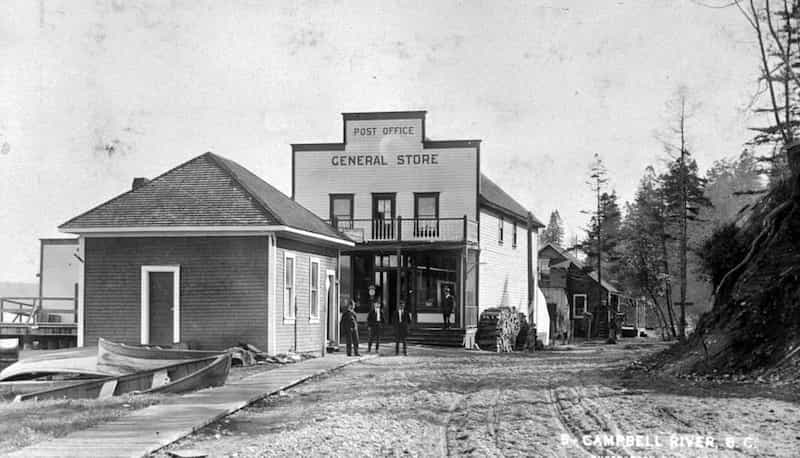
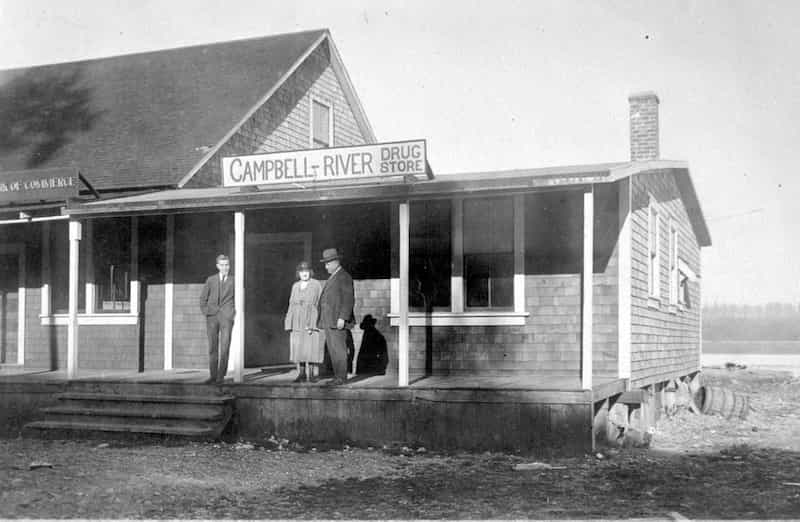
In 1904, Charles and Frederick Thulin built the Willows Hotel, the first business established in Campbell River. They capitalized on the excellent fishing, hunting, and outdoor activities which the area provided, and the town of Campbell River slowly began to grow.
However, the town had no natural harbour, which made incoming and outgoing transportation difficult. In 1920, a road to connect Campbell River with Courtenay was completed, opening up now possibilities for development. Between tourism and logging, this new accessibility allowed Campbell River to become the economic hub of the region.
Esquimalt
48°25'13.8"N 123°24'39.0"W
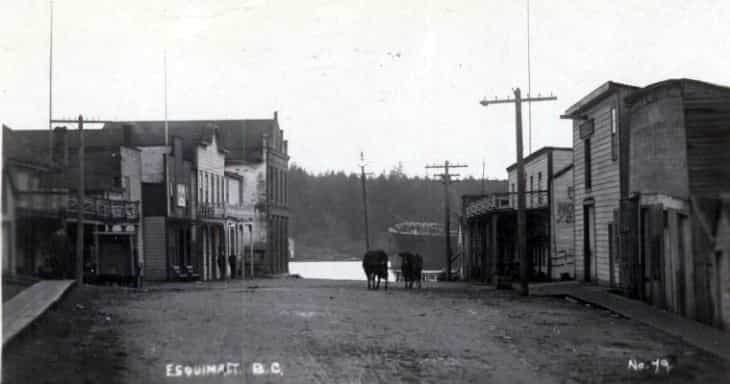
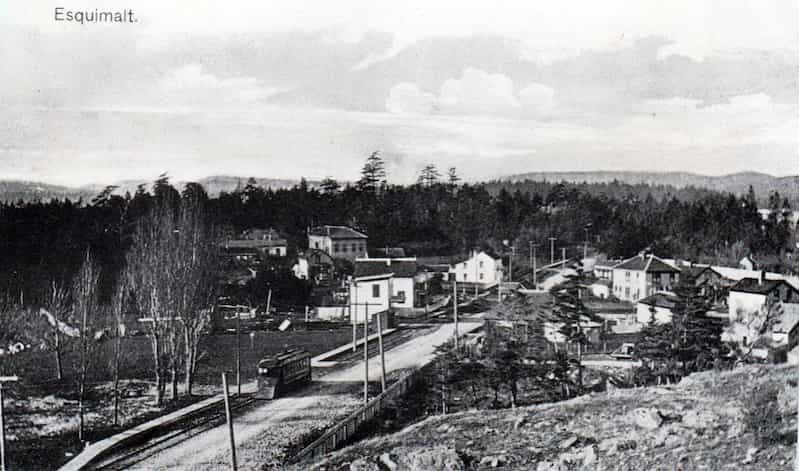
In 1790, the Spanish explorer Don Manuel Quimper entered Esquimalt’s harbour and gave it the name "Puerto de Cordova”, but by the mid-1800s, Hudson’s Bay Company Chief Factor James Douglas saw great agricultural potential. He signed a series of treaties with the Kosampsom group to acquire the area, after which he established three farms to supply Fort Victoria with produce. After the 1840s, the Royal Navy frequently anchored in Esquimalt’s harbour and, in 1865, Esquimalt became the headquarters of the Royal Navy’s Pacific Squadron. In 1887, the naval dockyard was completed and, by 1912, the settlement had developed with railways, fine homes, and a thriving commercial centre.
Nanaimo
48°25'13.8"N 123°24'39.0"W
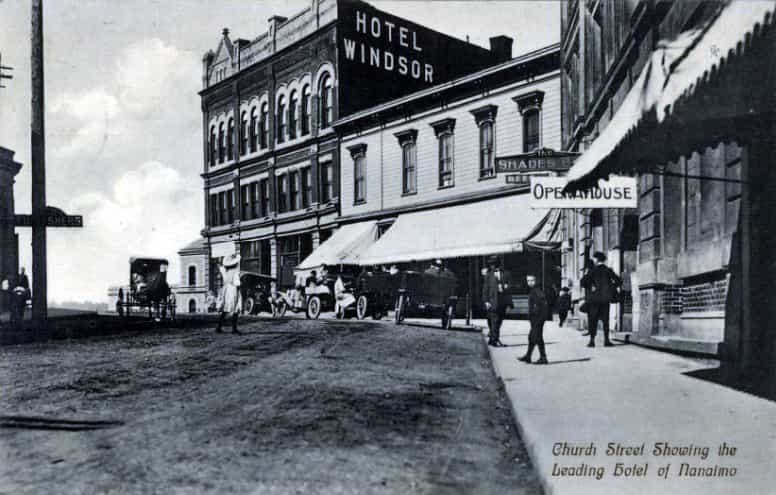
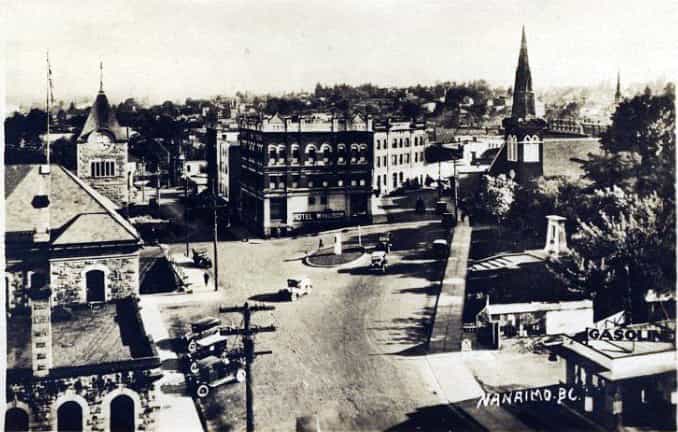
The name ‘Nanaimo’ comes from the anglicized pronunciation of Snuneymuxw, the indigenous peoples who have lived in this region for thousands of years. The city began as a small Hudson Bay outpost in the 1850s, and grew with the coal mining industry. In the city’s downtown core, the streets radiate from the shoreline and harbour like the spokes of a wagon wheel, leading to the nickname ‘Hub City’.
Port Alberni
49°14'05.7"N 124°48'44.3"W
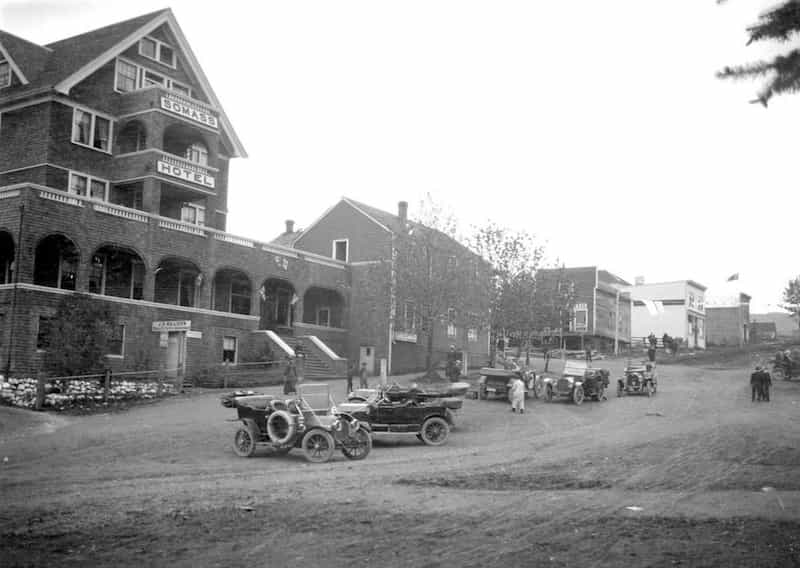
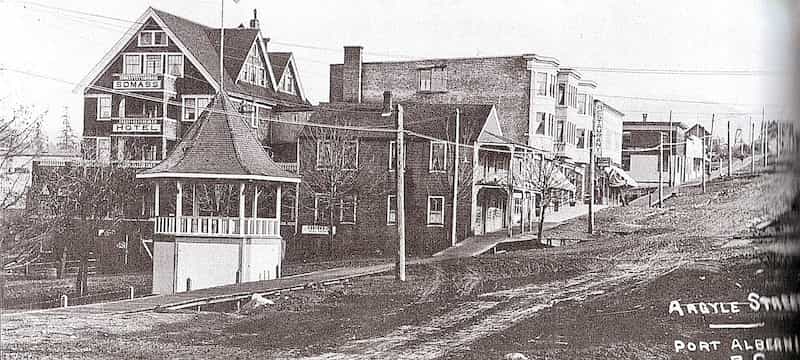
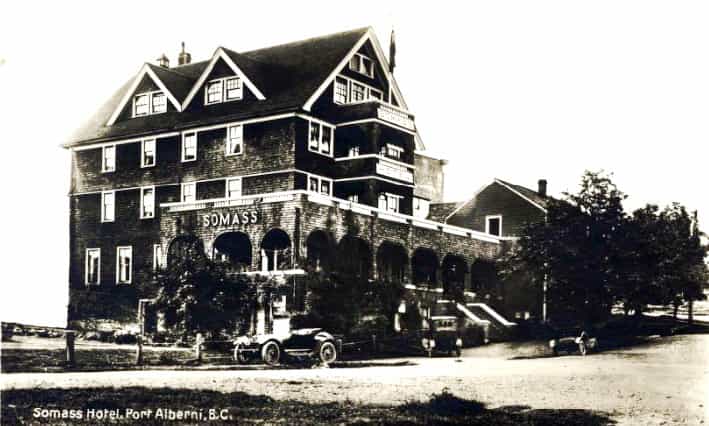
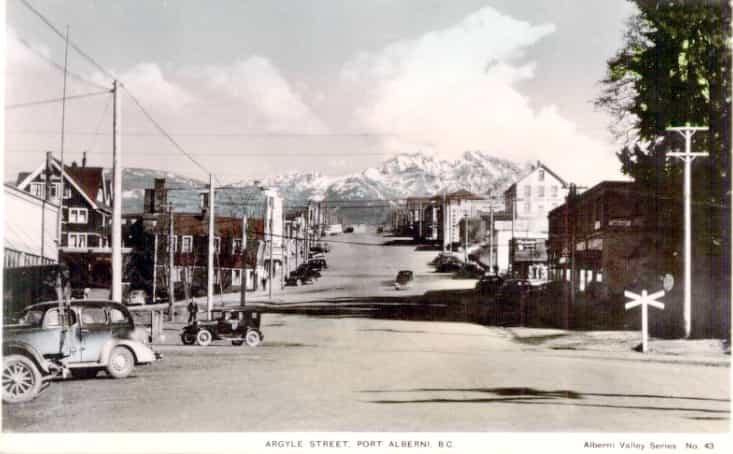
The City of Port Alberni sits within the traditional territory of the Tseshaht and the Hupacasath First Nations. Edward Stamp opened his sawmill in 1860 at the spot where, today, sits Harbour Quay. North of this area, a small farming town of Alberni began in the 1880s, but by the 1890s, “New Alberni” grew around the former sawmill site, and rapidly grew with the construction of a railway station in 1912.
Port Alberni was incorporated in 1912, and Alberni was incorporated in 1913. The twin cities grew alongside each other until many financial and logistical factors, as well as a devastating tsunami in 1964, led the two communities to join in to one community. They amalgamated in 1967.
Powell River
49°52'28.2"N 124°33'07.8"W
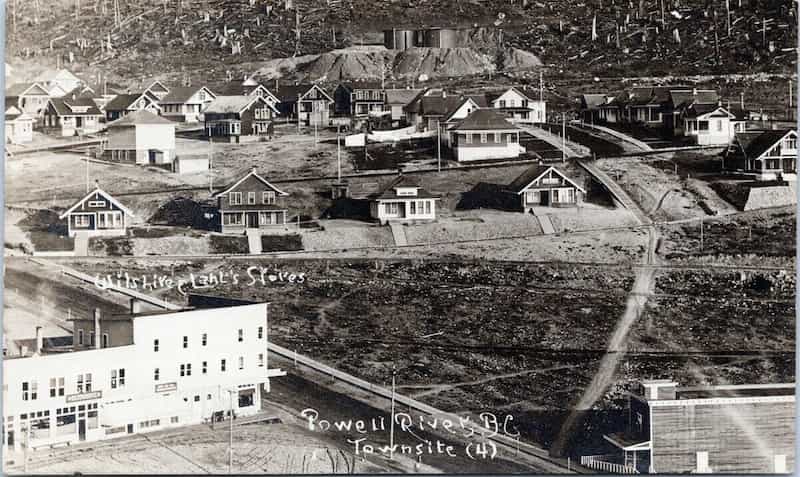
Construction of Powell River’s pulp mill began in 1908, with a corresponding company townsite built in 1910. During the Great War, the town expanded as the demand for logging, fishing, and pulp production grew.
Rock Bay
50°19'56.9"N 125°29'21.8"W
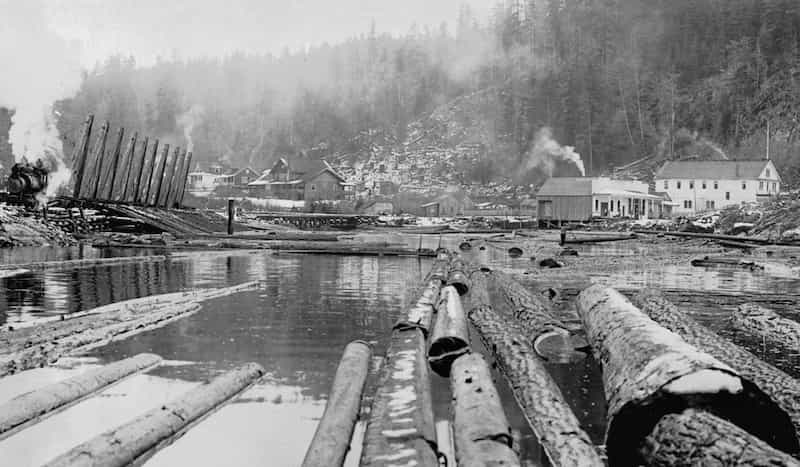
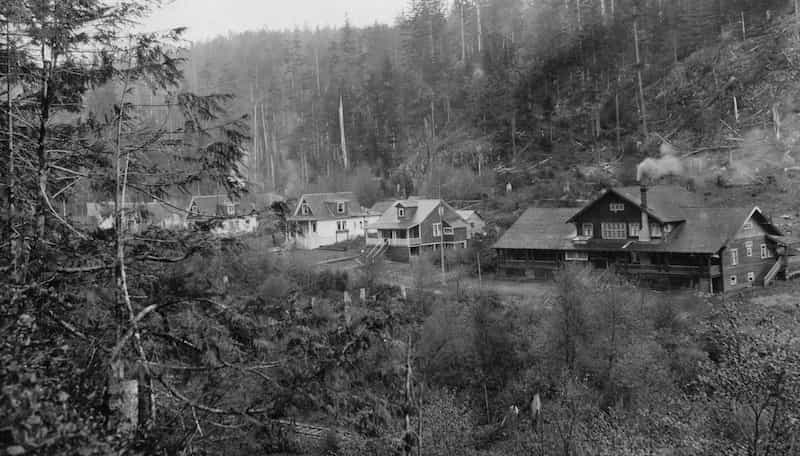
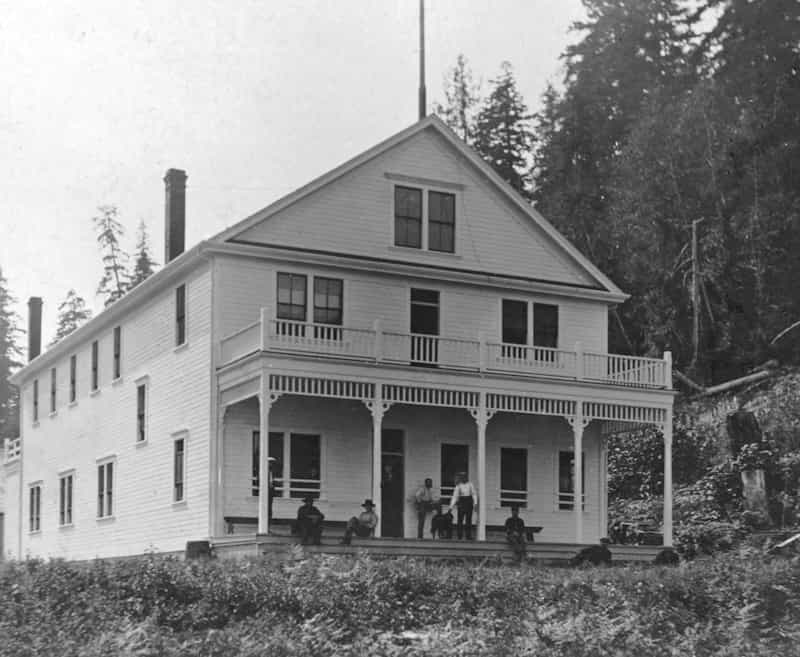
Situated north of Campbell River, Rock Bay was the site of Saint Michael’s Hospital, a medical facility originally run by one doctor and three nurses. This settlement provided a much-needed commercial hub for logging camps, fishing villages, and isolated farmsteads across central Vancouver Island during the early twentieth century.
Union Bay
49°35'03.1"N 124°53'03.2"W
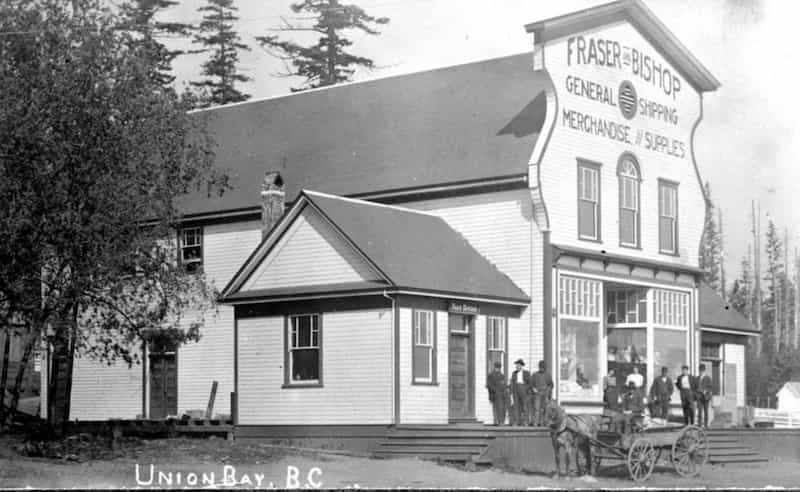
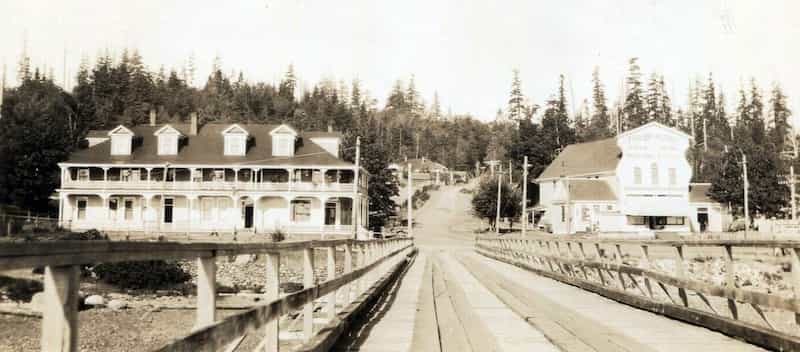
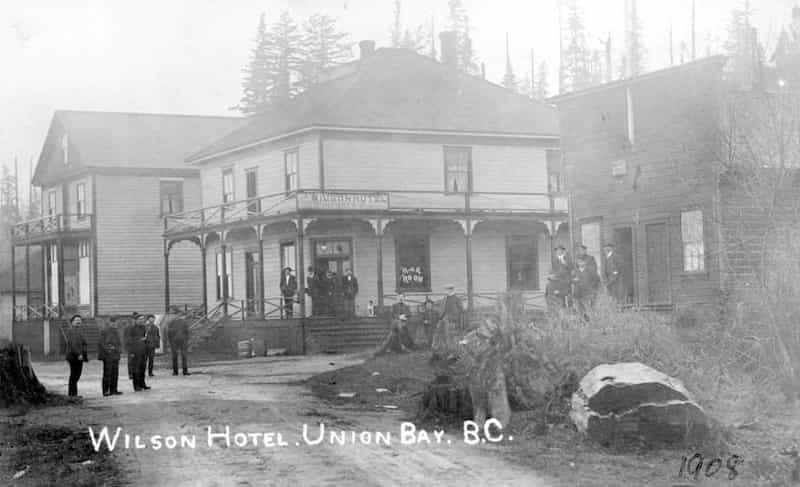
When coal deposits were discovered in nearby Cumberland in the late 1800s, Union Bay’s deep natural harbour provided a perfect setting for the colliery wharf. During the early 1900s, Union Bay grew into a bustling commercial centre that provided a valuable connection point for Cumberland, Royston, and farming communities on smaller surrounding islands.
Victoria
48°25'18.3"N 123°22'07.7"W
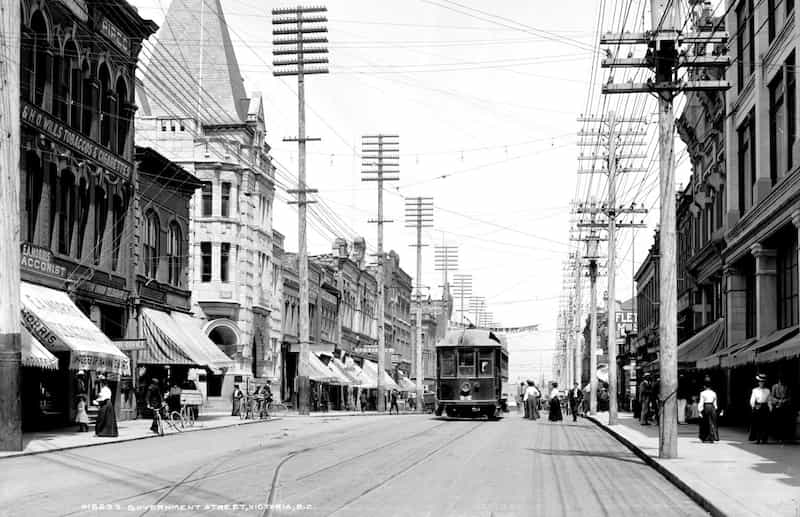
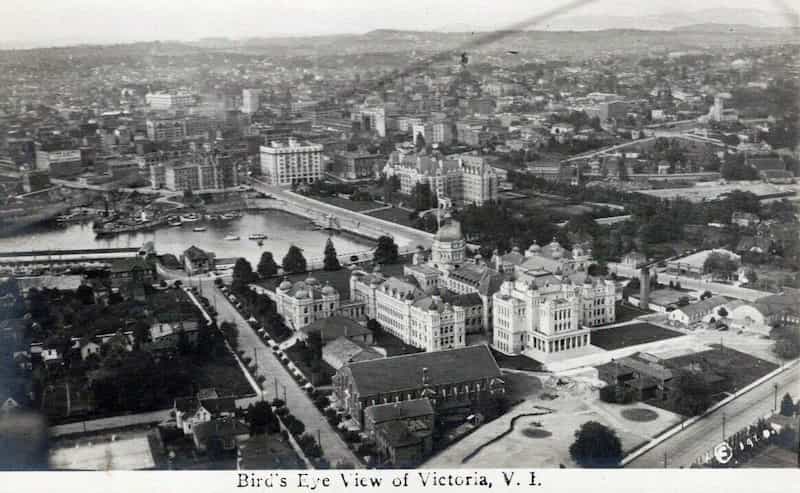
This region's Coast Salish First Nations peoples lived in thriving communities long before European settlement in 1843. Named for Queen Victoria, the city contains a large number of historic buildings, including two famous landmarks: the Parliament Buildings, built in 1897, and the Empress Hotel, opened in 1908. The city's Chinatown is the second oldest in North America, after San Francisco.
Prior to World War I, a development boom left Victoria with a large number of Edwardian buildings that have greatly shaped to the city's personality. Many of the municipalities surrounding Victoria were incorporated during this period, too, such as the Township of Esquimalt and the District of Oak Bay.